Federico Grayeb
Executive Leadership Advisor | DBA Researcher

I help organizations understand — and influence — the career decisions that determine whether their best leaders stay, grow, or leave.
I also help individual leaders build that same capability within their own teams — becoming the kind of leader whose best people see a future worth staying for.
My perspective comes from two decades of executive leadership in multinational pharmaceutical organizations with doctoral research into why senior executives stay — or go.
Scroll to discover why traditional executive retention strategies often fail.
The Challenge
The wrong question gets asked at every level
When a senior executive resigns, the organization asks:
"Why did this executive resign?"
Leaders often ask the same question about their own team:
"Why did my best people leave?"
Both questions come too late.
The better question is:
"When did the future here stop being compelling?"
That is when the real decision begins—not at the resignation, and not during the exit interview.
My work combines executive experience, doctoral research, and cross-cultural leadership to help organizations and leaders recognize that moment earlier—and act before exceptional people begin looking elsewhere.
How I help
Whether the challenge sits at the organizational level or within a single leader's team, the underlying work is the same: understanding what keeps exceptional people committed and building the conditions that make them stay

Executive Retention
Helping organizations understand why senior leaders stay or leave, and designing the conditions — career growth, leadership quality, credible futures — that keep exceptional talent committed.

Leadership and Executive Development
Helping leaders create trust, meaningful career conversations, and opportunities for continued growth so their best people remain engaged and committed.

Cross-cultural Leadership
Supporting leaders and organizations where trust, communication, and career decisions are shaped by different cultural assumptions, expectations, and leadership styles.
Background
Executive experience. Research. Practical application.
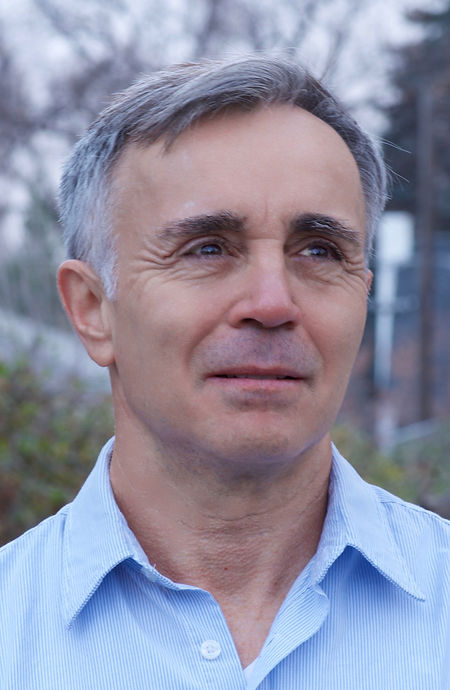
For more than two decades, I held executive leadership positions in multinational pharmaceutical organizations across Europe, Latin America, and the United States.
Those experiences led me to a question that became the focus of my doctoral research:
Why do highly successful senior executives leave organizations they value?
Today, I integrate executive experience, academic research, university teaching, and advisory practice to help organizations strengthen executive retention and help leaders build teams where exceptional people continue to see a future worth staying for.
The Evidence
Research that challenges conventional thinking.
Three years of doctoral research.
Senior executives across 38 countries.
One consistent conclusion.
Traditional retention strategies emphasize engagement, compensation, and satisfaction.
My research suggests something different.
For highly mobile senior executives, the strongest predictors of retention are:
-
Perceived career growth
-
Leadership quality
Factors commonly assumed to matter most — including compensation and engagement scores — play a much smaller role than most organizations and leaders assume.
The Thinking
Latest insights
Ideas from Why They Stay, where I explore how senior leaders make career decisions — and what organizations can do to retain exceptional leadership.
The Leadership Behaviors That Quietly Shape Executive Retention
Why do some leaders consistently retain exceptional executives while others struggle -even within the same organization? The answer is rarely found in formal retention programs; it is found in leadership behaviors that shape how people experience their future.
In Their Words
Testimonials
Organization Impact
“Mr. Grayeb's contributions to the financial and human resource areas have been impressive, and his leadership style was highly recognized across the organization. His high ratings on the internal employee surveys confirm these statements.”
— Kare Schultz - Former CEO Teva Pharmaceuticals
The Three-Ring Model
A framework for conscious leadership built on three levels of awareness — individual, team, and community — and the foundation of EcoEquo.
“Mr. Grayeb's theory, known as the Three Ring Model for Conscious Leadership, transforms how I view and approach HR Leadership.
— Massimo Radaelli - Executive Chairman- Pint Pharma
“The logic behind Mr. Grayeb’s model of individual, team and community awareness holds it together in a very creative and yet simple way. Unlike other leadership models, this one connects deep meaning in ourselves with the work we do as managers and employees. It provides a path for leaders to be accepted by their teams and communities and thus, contribute to the construction of a more successful society overall.”
— Richard Greaves - Senior Consultant - Impact International
Earlier Work
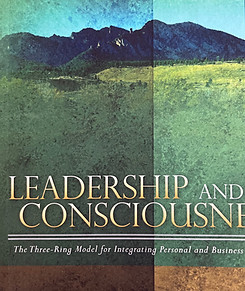
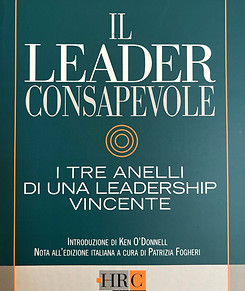
Before focusing my research on executive retention, I explored leadership development and conscious leadership through books published in English, Italian, and Portuguese. Those ideas laid the foundation for the work I continue to explore today on executive careers, cross-cultural leadership, and organizational effectiveness.